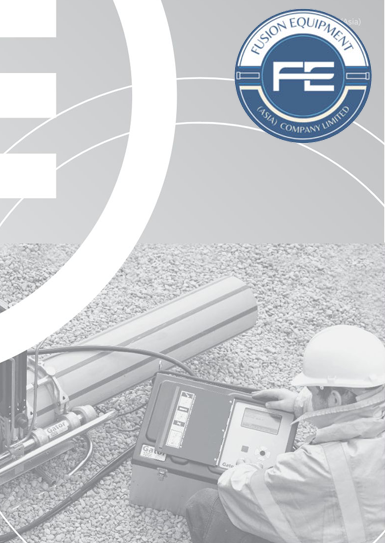
Electrofusion welding is a widely used technique for joining polyethylene pipes, and it’s essential to follow international standards, such as DVS 2207, to ensure high-quality welds. This technique involves using a sleeve with heating resistors to weld the pipes together. The process creates a strong bond between the pipes by heating the resistors and generating pressure inside the pipe.
The Electrofusion Welding Process
To begin, the pipes are placed inside the sleeve, and the welding machine is connected to the resistance ends of the sleeve. The resistors are then heated with current, causing the temperature of the pipe wall to rise higher than the temperature of the sleeve wall. This temperature difference creates pressure inside the pipe, which, combined with the pressure created by the sleeve, enables the welding process to take place.
Key Considerations for Electrofusion Welding
- The melt flow rate of the pipes to be welded and the sleeve must be between 0.3 and 1.7 gr/10 min. (190°C/5 kg).
- The area to be welded must be protected from bad weather conditions, such as snow, rain, wind, and direct sunlight.
- The temperature of the environment to be welded should be between 5°C and 50°C.
- The welding parameters can be loaded into the machine via a barcode reader or manually entered.
The Importance of Welding Parameters and Pressure Testing
Welding parameters are crucial for ensuring high-quality welds. Modern electrofusion welding machines come equipped with barcode readers that allow users to load the welding parameters directly from the barcode or sleeve. It’s essential to start the pressure test at least one hour after the welding process is complete and the pipes have cooled down.
A Step-by-Step Guide to Electrofusion Welding
- Cut the ends of the pipes straight and smooth, and mark the entrance limit on the pipe.
- Clean the surface of the pipe to be welded and remove any surface oxidation.
- Clean the electrofusion surfaces to be welded with industrial alcohol and protect them from hand contact.
- Place the fitting to be welded on the marked part of the pipe and fix it in place.
- Connect the welding machine sockets to the welding ends of the fitting and start the welding process by reading the barcode or entering the manual welding parameters.
- The machine will automatically terminate the welding process and give an end signal.
By following these guidelines and using the latest electrofusion welding machines, you can ensure high-quality welds and efficient pipe connections.